

The future of MOT’s (Ministry of Transport tests) may involve increased use of technology, such as advanced sensors and diagnostics, to enhance vehicle safety assessments.
Additionally, there could be a focus on adapting MOT standards to accommodate advancements in electric and autonomous vehicles.
Regulatory changes and environmental considerations may also influence MOT requirements in the future.
What MOT Changes are likely to come in the Future?
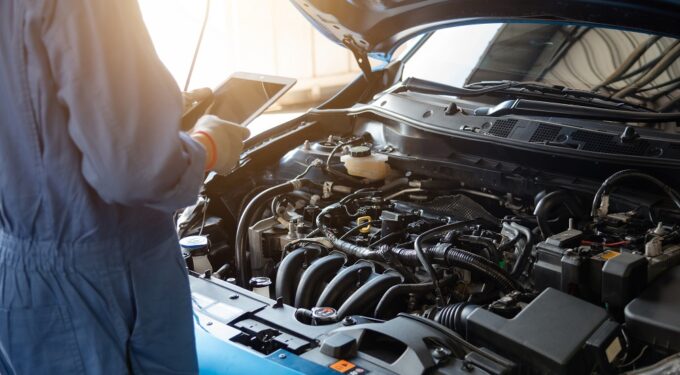
Predicting specific MOT changes in the future is challenging. This is because they are influenced by various factors, including technological advancements, safety standards, and environmental considerations.
However, potential areas for future MOT changes in the UK may involve:
Technology Integration:
Continued integration of advanced technologies in vehicle testing, such as more comprehensive diagnostic tools and sensors.
Electric and Autonomous Vehicles:
Adaptations to MOT standards to accommodate the growing presence of electric and autonomous vehicles, addressing their unique safety and compliance requirements.
Environmental Focus:
Increased emphasis on environmental factors, with MOT tests possibly evolving to include stricter emissions standards or assessments related to sustainability.
Regulatory Updates:
Changes in MOT regulations influenced by national or international regulatory bodies, addressing emerging challenges in the automotive industry.
What are the Potential Advantages of these Future changes?
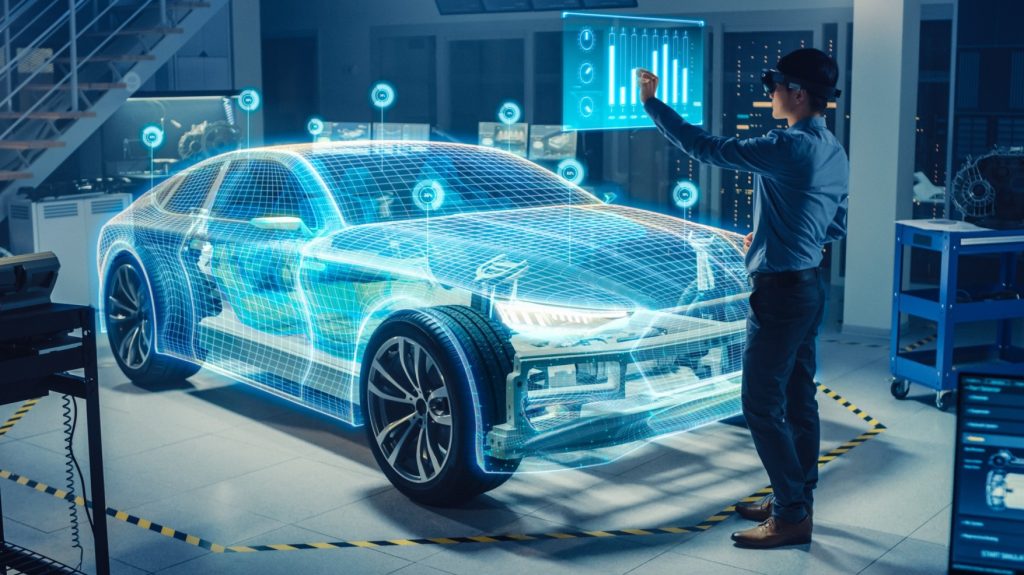
Potential advantages of future MOT changes in the UK could include:
- Enhanced Safety Standards: Adopting advanced technologies and updated testing procedures can contribute to improved safety standards, ensuring that vehicles on the road meet the latest safety requirements.
- Accommodating New Technologies: Adapting MOT standards for electric and autonomous vehicles allows for the proper assessment of these emerging technologies, ensuring they meet safety and compliance criteria.
- Environmental Impact: If MOT changes include stricter emissions standards or environmental assessments, it could contribute to reducing the environmental impact of vehicles, aligning with sustainability goals.
- Regulatory Alignment: Keeping MOT regulations up-to-date with national and international standards ensures regulatory alignment and consistency, providing a framework that reflects the latest advancements in the automotive industry.
- Consumer Confidence: Changes that address evolving safety and environmental concerns can enhance consumer confidence, knowing that vehicles undergo thorough testing to meet modern standards.
It’s important to note that while these changes aim for positive outcomes, their effectiveness depends on proper implementation, public awareness, and ongoing monitoring of their impact.
What are the Potential Disadvantages of these Future changes?

Possible disadvantages of future MOT changes in the UK could include:
- Cost Implications: Implementing new technologies or standards might lead to increased costs for vehicle owners, manufacturers, or testing facilities, potentially impacting affordability.
- Transition Challenges: Adapting to new testing procedures or accommodating electric and autonomous vehicles might pose challenges for existing MOT testing infrastructure, requiring significant adjustments and investments.
- Technical Complexity: More advanced technologies in testing could introduce technical complexities, potentially leading to issues with interpretation, calibration, or standardization.
- Accessibility Concerns: Stricter standards, especially if they result in increased costs for modifications or upgrades, could raise concerns about accessibility, potentially affecting certain demographics or types of vehicles disproportionately.
- Resistance to Change: Any significant changes to MOT procedures may face resistance from various stakeholders, including vehicle owners, industry professionals, or advocacy groups, potentially leading to delays or opposition.
- Unintended Consequences: Changes may have unintended consequences, such as shifts in consumer behaviour, legal challenges, or unforeseen impacts on the automotive market.
It’s essential for regulatory bodies to carefully consider these potential disadvantages and work collaboratively with stakeholders to address concerns and mitigate any negative effects during the implementation of new MOT changes.
The Department for Transport (DfT)
On the 18th January 2023, the Department for Transport sought the views of the future of MOT’s in the UK by collecting public consultation.
The main headline of the consultation were:
Consultation
To seek views on changing MOT’s in light of the advances to the new vehicle technology. Especially due to the growing popularity of Hybrid and Electric Vehicles.
Proposals
A proposal to change the date of the first MOT for new vehicles. Along with increasing the monitoring of emissions, in order to tackle pollution.
Safety
The safety is to be the main priority, ensuring that the all the vehicles are safe on the roads.
IMI (Institute of the Motor Industry)
The IMI plays a crucial role in setting industry standards, including training and accreditation for automotive professionals. The IMI focuses on ensuring that individuals in the automotive sector have the necessary skills and qualifications.
In January 2022, there were specific requirements for MOT testers in the UK to be qualified to test Electric Vehicles. MOT testers are required to undergo additional training and certification to ensure they have the necessary skills and knowledge to assess the safety and compliance of Electric Vehicles.
Keeping Informed about Upcoming Changes
To stay informed about any upcoming MOT changes in the UK, regularly check official government websites, updates from the Driver and Vehicle Standards Agency (DVSA), and relevant automotive news sources.
Should Electric Vehicle owners take a Training Course?

While it’s not a strict necessity, taking a course for Electric Vehicle (EV) owners can have several benefits.
Here are some reasons why an EV owner might consider taking a course:
Understanding Technology: Electric vehicles operate differently from traditional vehicles. A course can provide owners with a better understanding of EV technology, charging infrastructure, and how to optimize their vehicle’s performance.
Charging Management: Learning about different charging options, understanding charging times, and effectively managing the charging process can be valuable for EV owners, especially if they want to maximize efficiency and convenience.
Maintenance Knowledge: EVs have fewer moving parts compared to internal combustion engine vehicles, but they still require maintenance. A course can educate owners on basic maintenance tasks and potential issues specific to electric vehicles.
Range Optimisation: Understanding factors that affect range, such as driving habits and environmental conditions, can help owners maximize their EV’s range and plan journeys more effectively.
Safety Considerations: Electric vehicles have unique safety considerations, especially when it comes to handling high-voltage systems. A course can provide guidance on safe practices and emergency procedures.
Environmental Impact: Courses may cover the environmental benefits and considerations associated with electric vehicles, helping owners make informed choices aligned with sustainability goals.
While it’s not mandatory, the decision to take a course depends on the individual’s interest, level of knowledge, and desire to optimize their experience as an electric vehicle owner. Many courses are available, providing accessible opportunities for education in this rapidly evolving field.
Who can Take a Hybrid/Electric Vehicle Training Course?

Electric vehicle training courses are typically designed for a variety of individuals involved in the automotive industry, as well as those interested in understanding and working with electric vehicles. This may include:
Automotive Technicians: Mechanics and technicians who want to specialize in electric vehicles can benefit from training courses that cover EV technology, diagnostics, and maintenance.
Fleet Managers: Individuals responsible for managing fleets of vehicles may take courses to understand how to integrate and maintain electric vehicles within their fleets.
First Responders: Emergency responders, such as firefighters and paramedics, may undergo training to handle incidents involving electric vehicles, as they have unique safety considerations due to high-voltage systems.
Automotive Engineers: Professionals involved in designing and engineering vehicles may take specialized courses to understand the intricacies of electric vehicle technology.
Electricians: Courses can be beneficial for electricians who want to expand their knowledge to work on electric vehicle charging infrastructure.
General Public: Many courses are designed for the general public, including current or prospective electric vehicle owners, providing insights into EV technology, charging, and general maintenance.
Our Hybrid/Electric Vehicle Training

Hybrid/EV Training Course, Level 1
The Hybrid Training Course, Level 1, is a 2 day course. This electric vehicle training course is to raise awareness of hybrid vehicles. If you are an individual who has no experience in the motor industry and you want to gain knowledge of the HEV’s, then this maybe the course for you. For this course there is no entrance exam and this course is aimed at any individuals that maybe in contact with HEV’s, even if you are office based. At the end of the course, you will have a multiple choice exam. This electric vehicle training course will allow you to be more up to speed with these types of vehicles.
Hybrid/EV Training Course, Level 2, Light Vehicles
The Hybrid Training Course, Level 2, Light Vehicles is a 2 day course. This hybrid mechanic course will help you develop your skills and knowledge on hybrid technology vehicles. In the course, you will focus on working safely on HEV’s and the maintenance and repairs of the vehicles. Also, you will learn the construction and function of battery models, the related components and the hybrid system components. You will also have the skills and knowledge to safely power down hybrid light vehicles ready for servicing. This hybrid car mechanic training course is 90% practical and 10% theory based. There is an exam at the end of the course which is a multiple choice exam.
Hybrid/EV Training Course, Level 2, Buses
The HEV Training course, Level 2, Buses, is similar to the course layout as the Level 2, Light Vehicles, however you will develop the knowledge and skills on hybrid buses, instead of on light vehicles. You will also have the skills and knowledge to safely power down hybrid buses ready for servicing. The course consists of 90% practical and 10% theory based and at then end of the course you will have a multiple choice exam.
Hybrid/EV Training Course, Level 2, Heavy Goods Vehicles
This course is for technicians that want to develop their knowledge and skills around hybrid heavy goods vehicles. With this course you will learn how to carry out the maintenance and repairs of HGV’s and how to work safely with the high voltage technology. You will also gain the skills and knowledge to safely power down hybrid heavy Goods vehicles ready for servicing. This hybrid automotive training program is a 2 day course, which consists of 90% practical and 10% theory based, along with a multiple choice exam at the end of the course.
Hybrid/EV Training Course, Level 3
The hybrid level 3 training course, is designed for technicians to gain skills and knowledge on how to work safely and confidently on hybrid vehicles and understanding the construction and functions of the battery models and related components. Technicians will be taught the hybrid drive layout and how to carry out the maintenance and repairs on HEV’s. This course is very similar to the Level 2 course, but this course is more practical and you work on live high voltage components. You are required to take an entrance exam before the course. The level 3 course, is a 4 day course and is 90% practical and 10% theory based and at the end of the course you will be required to take a multiple choice exam.
If you are still unsure which course is best for you please don’t hesitate in contacting one of our professional trainers, who will be more than willing to help you.


