
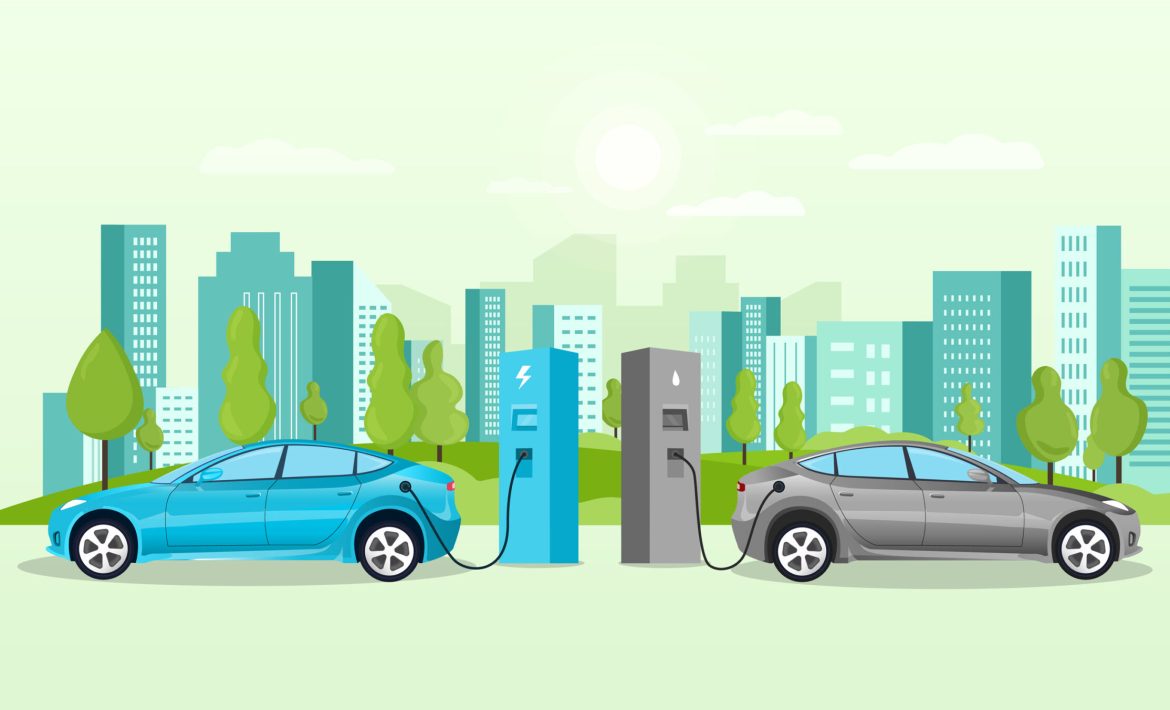
Many people ask the same question, when it comes to thinking about changing to an Electric Vehicle.
How much money, will i save on fue,l if i buy a Fully Electric Vehicle ?
The answer to the question, isn’t very simple to answer. There are many factors that have to be taken into consideration, before knowing the exact amount, on how much you will save on fuel.
This article, will give you a rough idea of how much you will save on fuel, by going Fully Electric. As well as, helping you understand, the factors that need to be taken into account. For example; how much it costs to recharge the Electric Vehicle.
Factors to take into consideration
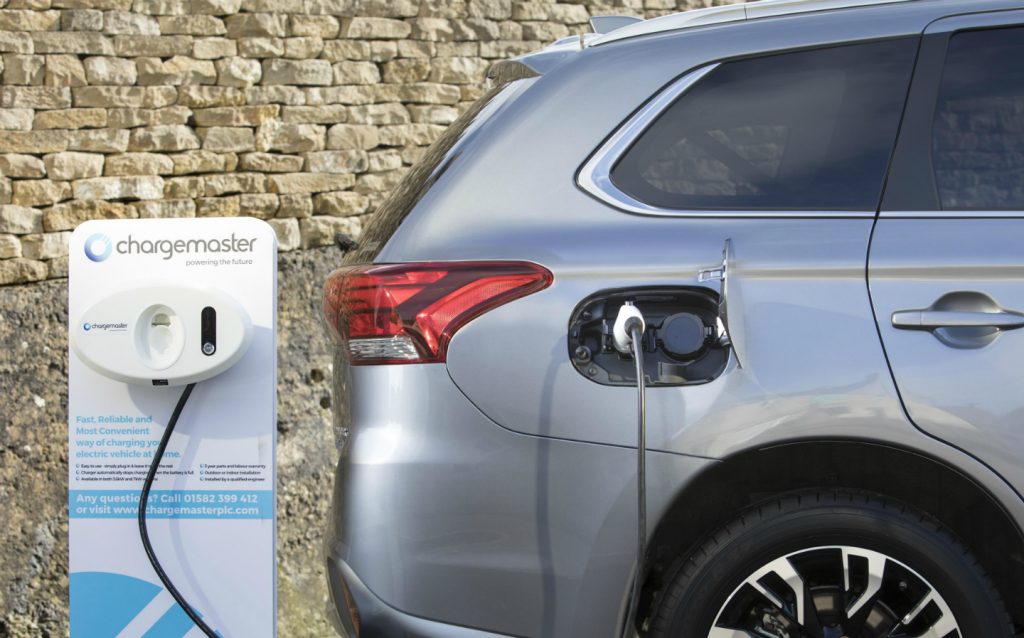
Owning a Fully Electric Vehicle, could save you more money compared to petrol and diesel vehicles.
Fully Electric Vehicles are known to be a lot more efficient to drive and cheaper to run.
You should take into account that, depending on the make and model of the EV, will depend on the amount of time it needs charging. All EV’s have different ranges of distance they can travel, before they need to be charged.
The amount of miles you do per day, week, month and year, has a big impact on the cost. It will also depend on, if you do a lot of City driving or long distance driving, as this impacts on the amount of times the vehicle needs charging.
Another point that needs to be taken into account, is if you own a petrol or diesel vehicle, as the prices of fuel are different.
All Electric Vehicles have different distance range, so before buying an EV, keep this is mind.
Distance Range on EV’s
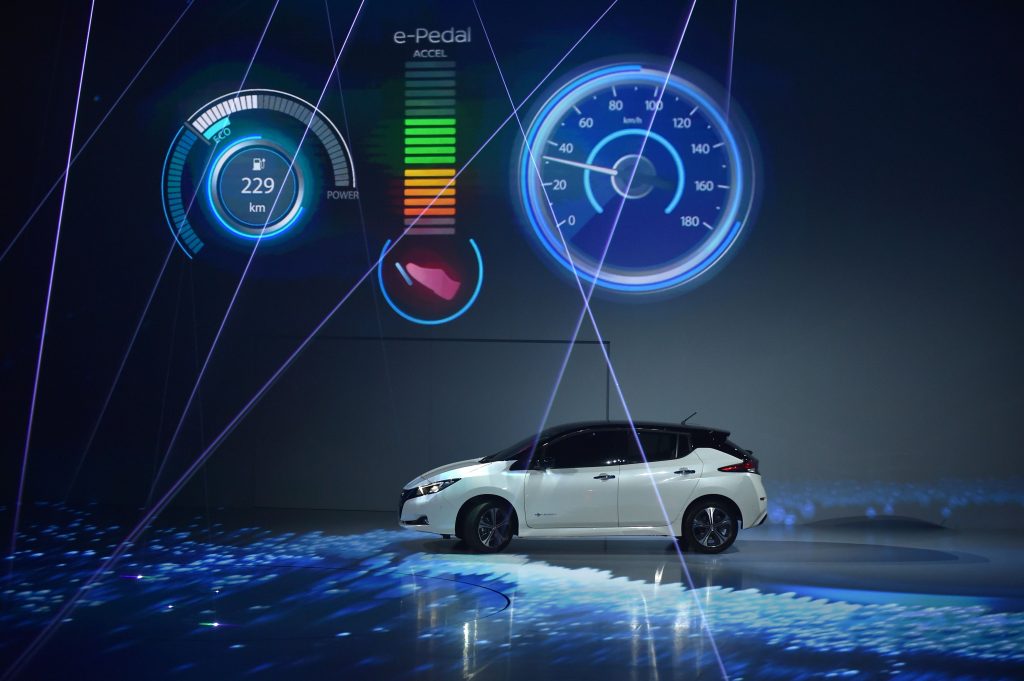
A Fully Electric Vehicle’s average range, is approximately 181 miles. However, this depends on the make and model of the EV. It also depends on the battery capacity that it has. For example; a Tesla, Model S90D’s battery capacity is 90KWh, which allows the vehicle to have a range of 346 miles.
There are several things that can affect the distance range of EV’s like; extra weight in the vehicle, strong winds, high speeds, driving up hills, aggressive driving behaviours. Another thing that can effect the distance range, is the temperatures that is higher than 20 Celsius, or lower than 10 Celsius, inside the vehicle.
The cost of charging an Electric Vehicle?
The cost of charging an Electric Vehicle varies, depending on many factors, like;
- charging the vehicle at home
- charging the vehicle at City charging points
- the battery size in the vehicle
- If you charge the vehicle off-peak times
This costs of charging an EV, is approximately 10-14 pence per kWh, however, this is based on smaller batteries. For example; a BMW i8, costs approximately 70 pence per kWh, because it has a 7 kWh battery.
Obviously, your electricity bill will increase in cost if you have a home charger. But the increase in cost, will depend on the size of the battery your EV has and the time of day you charge it.
However, there are some places in the UK, where you can take advantage and charge your EV for free.
Purchase a Hybrid or Fully Electric Vehicle?
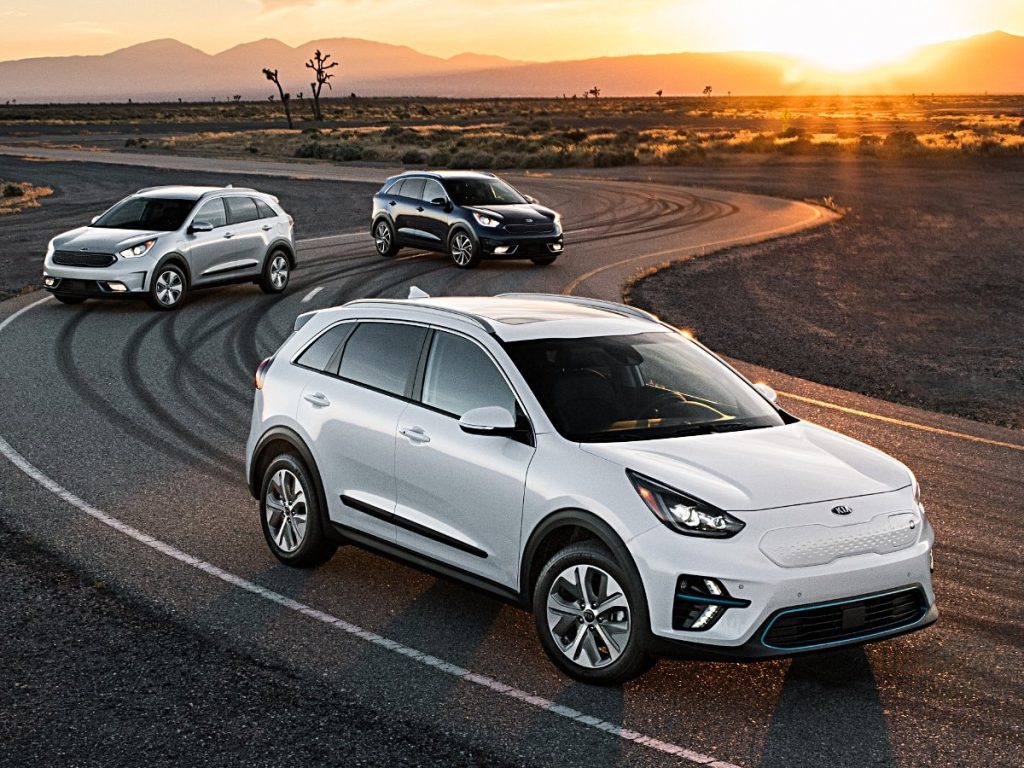
Normally, Hybrids have lower battery ranges than Full-Electric Vehicles. Electric Vehicles battery range varies, depending on the make and model. There are some Hybrid Vehicles, that offer an Electric-only driving mode. They are normally only for low speeds, For example; driving around the City or short ranges.
This question isn’t easy to answer. It all boils down, to the distance you travel and what you use your car for on a daily basis. If you only drive to work and back, then an Electric or Hybrid Vehicle are both a good option.
However, if you do long distance driving on the motorway, a Hybrid is a better option as the battery recharges itself.
In saying that, this depends on the make and model of the Electric vehicle. The new Electric Vehicles have more range and can travel a good distance before needing to be recharged.
The Different Types of Chargers
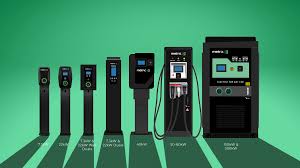
There are 3 main charging points for Electric Vehicles. The types of chargers there are;
- Slow
- Fast
- Rapid chargers.
The most common chargers around, are the rapid chargers. The slow chargers only provide approximately 3kW of power and take up to six to eight hours to fully charge an EV. There are 3 types of slow chargers, the; single-phase (3kW or 6kW), the three-phase (up to 22kW, depending on the make and model) and the CHAdeMO (500V DC, up to 50kW).
The fast chargers, can give a power of up to 22kW and can charge an EV from 0-80% in as little as, 30 minutes.
The Rapid chargers are super fast, and only take 10-15 minutes to give a full charge.
Around the UK, there are approximately, 1,600 rapid chargers, and you are able to find them on the Zap-Map website.
How to use the Charging Points
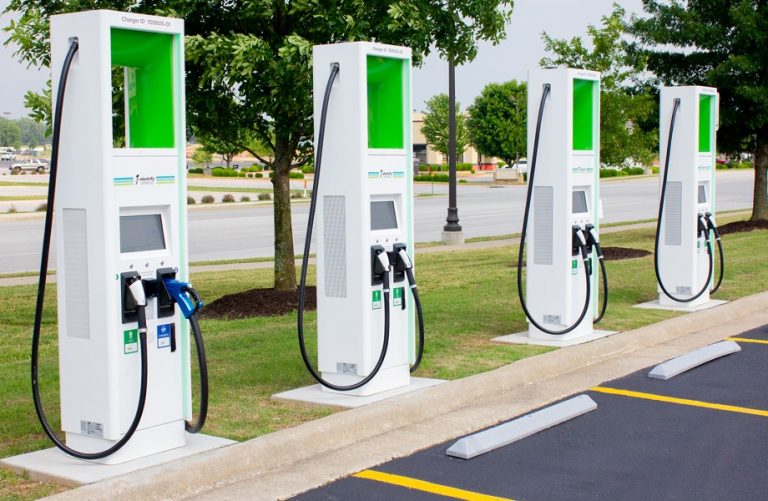
There is no need to worry about how to charge your EV, as it is super easy. As long as, you have a compatible charging cable, then all you need to do, is simply plug it into your car and charging point. It is just like charging a mobile phone, you plug the one end into the wall socket and the other end into your mobile phone. Yes, it is that easy.
There is also an indicator light on the charging point, which tells you when your vehicle is fully charged.
As for the payment process, it is also very straightforward. You can pay by your contactless card on your phone, just like you do when you go shopping.
For more articles related to this one; FAQ about the Petrol and Diesel Ban in the UK
Our Electric/Hybrid Vehicle Courses

Hybrid Training Course, Level 1 – Raise Awareness
Hybrid/ EV Training Course, Level 2 – Light Vehicles
Buses Hybrid Training Course, Level 2
Hybrid Training Course, Level 2 – HGV’s
Hybrid Training Course Level 3 – Cars
The Level 1 Hybrid and Electric Training Course, is to raise awareness of Hybrid and Electric Vehicles. This course is aimed at anyone that may come into contact with Hybrid and Electric Vehicles.
Level 2 Hybrid and Electric Light Vehicle Training Course, Level 2 HGV Training Course and Level 2 Buses Training Course. The Level 2 course is aimed at mechanics and car valeters.
The Level 3 Hybrid and Electric Training Course, is aimed at technicians and mechanics.
If you would like more information, please don’t hesitate in contacting one of our professional trainers, who will be more than willing to help you. There are several ways you can make contact with us.


