

Working in an MOT workshop, testers see a lot of real life MOT scenarios that can be challenging. From complex vehicle issues to time constraints. MOT testers navigate a variety of real-life scenarios requiring quick and accurate assessments.
In this article we will cover: real-life workshop scenarios, scenarios that participants may encounter, minimising the issues and what the advantages and disadvantages are. Moreover, we will cover what real-life scenarios that the DVLA encounter.
Real-Life Workshop MOT (Ministry of Transport) Scenarios
In a hands-on workshop for real-life MOT (Ministry of Transport) scenarios, participants could engage in activities like:
Vehicle Inspection Role-Play – Simulating real MOT vehicle inspections, emphasis common issues and how to address them.
Documentation Practice – Walk through the process of completing MOT paperwork accurately, highlighting key details and compliance requirements.
Fault Identification: Use actual vehicles with pre-set faults for participants to identify and prioritize issues based on MOT guidelines.
Interactive Q&A: Encourage participants to ask questions about specific MOT scenarios they’ve encountered, fostering discussion and problem-solving.
Regulatory Updates Discussion: Provide insights into recent MOT regulations or changes, promoting awareness and compliance.
Mock Test Sessions: Conduct mock MOT tests, allowing participants to experience and practice the testing process under realistic conditions.
Customer Interaction Simulation: Role-play scenarios involving customer communication, addressing queries, and explaining findings in a clear and professional manner.
Technological Tools Demonstration: Showcase the use of digital tools and equipment employed in MOT testing, ensuring participants are familiar with modern testing practices.
By incorporating these elements, participants can gain practical experience and confidence in handling diverse MOT scenarios they may encounter in real-life situations.
Scenarios that participants might encounter in a Hands-On MOT
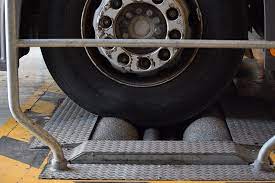
Here are some of the scenarios that participants might encounter:
- Brake Inspection: Simulating brake pad and disc inspections, checking for wear and proper functioning.
- Suspension Check: Assessing the condition of shocks and struts, looking for leaks or damage.
- Lighting Assessment: Identifying and fixing issues with headlights, brake lights, indicators, and other essential lights.
- Exhaust System Inspection: Examining the exhaust system for leaks, corrosion, and ensuring it meets emission standards.
- Tire Examination: Checking tire tread depth, inflation, and overall condition.
- Fluid Level Verification: Ensuring proper levels of engine oil, brake fluid, coolant, and other essential fluids.
- Steering System Test: Inspecting the steering components for wear, tightness, and proper alignment.
- Battery Health Check: Verifying the battery’s charge and assessing its overall condition.
- Safety Belt Assessment: Ensuring seatbelts are functional, retract properly, and show no signs of damage.
- Undercarriage Inspection: Examining the chassis and undercarriage for rust, damage, or any structural issues.
These scenarios help participants gain practical experience and skills required for conducting MOT inspections and ensuring vehicle safety compliance.
Minimising the Issues
To minimise the occurrence of issues in MOT scenarios, proactive maintenance and regular inspections play a crucial role.
Here are some strategies:
Regular Maintenance
Encourage vehicle owners to adhere to regular maintenance schedules, addressing issues before they become significant problems.
Preventive Inspections
Conduct routine inspections even before the official MOT test to catch and fix potential issues early.
Education and Awareness
Raise awareness about the importance of proper vehicle maintenance and its impact on safety and MOT compliance.
Timely Repairs
Encourage prompt repairs when issues are identified, preventing them from escalating.
Quality Parts
Ensure that replacement parts meet quality standards to enhance the longevity and reliability of the vehicle components.
Training for Technicians
Provide ongoing training for technicians to stay updated on the latest technologies and inspection requirements.
Vehicle Health Monitoring
Implement systems or technologies that monitor the health of vehicles and provide early warnings for potential problems.
User Manuals and Guidelines
Promote the use of vehicle manuals and guidelines to assist owners in proper care and maintenance.
By promoting a proactive approach to vehicle maintenance and implementing these strategies, the likelihood of encountering issues in MOT scenarios can be minimised.
The Benefits of Minimising these Issues
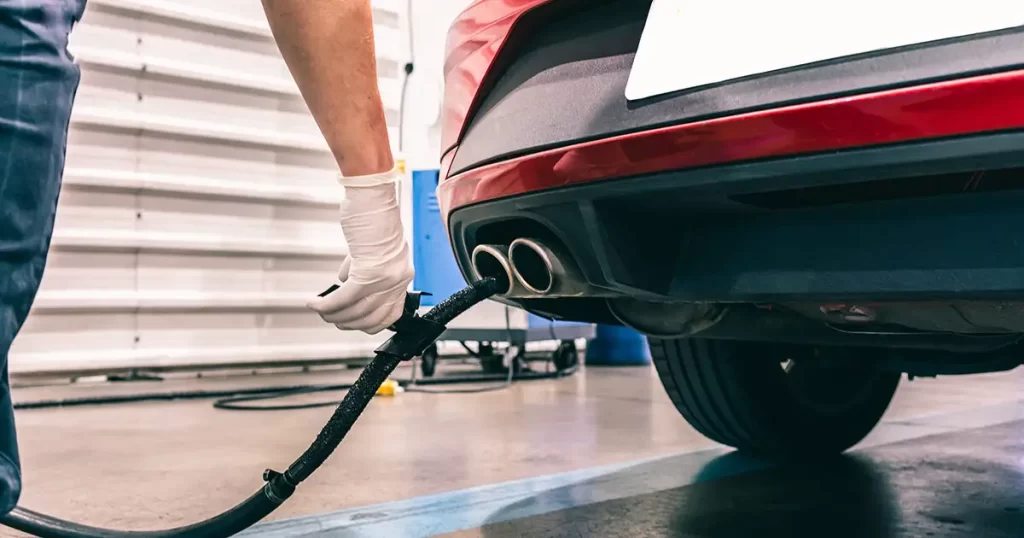
Minimising issues in MOT scenarios offers several benefits, including:
- Enhanced Road Safety: Identifying and addressing vehicle faults through thorough MOT inspections contributes to safer roads by reducing the likelihood of accidents caused by mechanical failures.
- Compliance with Regulations: Minimising issues ensures that vehicles meet regulatory standards, fostering compliance with MOT requirements and maintaining the integrity of the transportation system.
- Cost Savings: Early detection and resolution of vehicle issues during MOT inspections can prevent more significant and costly problems in the future, saving both vehicle owners and the broader community money.
- Environmental Impact: Well-maintained vehicles produce fewer emissions, contributing to environmental sustainability. Minimising issues through MOT inspections supports cleaner and more eco-friendly transportation.
- Public Confidence: A reliable and rigorous MOT system builds public trust in the safety and reliability of vehicles on the road, enhancing overall confidence in the transportation infrastructure.
- Extended Vehicle Lifespan: Regular MOT inspections and addressing identified issues promptly can extend the lifespan of vehicles, reducing the need for premature replacements and supporting sustainable transportation practices.
- Efficient Traffic Flow: Ensuring vehicles on the road are in good condition helps prevent breakdowns and traffic disruptions, contributing to smoother and more efficient traffic flow.
- Insurance Benefits: Well-maintained vehicles may qualify for lower insurance premiums, providing financial incentives for vehicle owners to prioritize MOT compliance and maintenance.
By minimising issues in MOT scenarios, these benefits collectively contribute to a safer, more reliable, and environmentally friendly transportation ecosystem.
The Disadvantages of not Minimising the Issues
By not minimising issues in MOT scenarios can lead to various disadvantages, including:
- Increased Accident Risks: Vehicles with unresolved issues pose a higher risk of accidents due to potential mechanical failures, jeopardising the safety of both drivers and pedestrians.
- Non-compliance Penalties: Failure to address MOT-related issues may result in penalties, fines, or even legal consequences for vehicle owners, leading to financial burdens and potential legal troubles.
- Environmental Impact: Vehicles with unaddressed faults may emit higher levels of pollutants, contributing to environmental degradation and air quality issues.
- Traffic Disruptions: Breakdowns caused by unresolved issues can lead to traffic congestion and disruptions, impacting the overall flow of traffic and causing inconvenience for commuters.
- Reduced Vehicle Reliability: Neglecting MOT requirements can lead to increased breakdowns and unreliability, affecting the dependability of vehicles for daily use.
- Decreased Resale Value: Vehicles with a history of unresolved MOT issues may experience a decline in resale value, as potential buyers may be hesitant to purchase vehicles with known problems.
- Public Safety Concerns: The presence of poorly maintained vehicles on the road raises concerns about public safety, eroding trust in the transportation system and regulatory oversight.
- Higher Maintenance Costs: Ignoring MOT-related issues often leads to more extensive and expensive repairs over time, as minor problems may escalate into major, costly issues.
In summary, the disadvantages of not minimising issues in MOT scenarios extend beyond safety concerns to financial, legal, and environmental consequences, affecting both individual vehicle owners and the broader community.
DVLA Real-Life Scenarios
Real-life MOT scenarios involving the DVLA (Driver and Vehicle Licensing Agency) in the UK can include:
Document Verification: Document Verification, simulate scenarios where participants verify and process vehicle documents, emphasising the importance of accurate paperwork in compliance with DVLA regulations.
Electronic Vehicle Data Checks: Electronic Vehicle Data Checks showcase the use of electronic systems for checking and validating vehicle details, highlighting how technology aids in efficient DVLA processes.
VIN Challenges; Vehicle Identification Number (VIN) Challenges present participants with scenarios involving VIN discrepancies and guide them through the steps to resolve such issues in alignment with DVLA requirements.
Personalised Registration Number Changes: Explore scenarios related to changing or transferring personalized registration numbers, emphasizing the correct procedures and paperwork involved.
Licensing and Endorsements: Discuss real-life cases involving licensing issues, endorsements, and the steps taken by DVLA to address and resolve them.
Penalty Points and Offenses: Provide examples of MOT-related offenses leading to penalty points, and discuss how DVLA handles the recording and enforcement of penalty points on driving licenses.
Vehicle Taxation Challenges: Illustrate scenarios related to vehicle taxation, including reminders for renewals, changes in tax class, and penalties for non-compliance.
Online Services Demonstration: Walk through the DVLA’s online services, showcasing how individuals can use digital platforms for tasks such as vehicle tax payments, license renewals, and change of address.
By incorporating these real-life scenarios, participants can gain a practical understanding of DVLA processes, regulations, and the importance of compliance in various situations related to vehicle documentation, licensing, and taxation.
For more articles like this one: Understanding & Preventing common MOT Failures
Want to Learn more about MOT Testing?
Here at MTC, we have a range of courses available;
- MOT Training, Class 4 & 7 – This course is to become a fully qualified MOT tester for cars and vans.
- Level 3 VTAA – The VTAA course is for people that are skilled in the motor trade and don’t have no formal qualifications.
- MOT Training (Car, Motorbike, HGV)
- Level 1 MOT & Hybrid/EV Training Course
- MOT Managers Courses
- Hybrid Training Courses – Level 1, 2 and 3 (Raise Awareness, Light Vehicles, Buses, HGV, Cars)


