

There are many misconceptions about Hybrid and Electric Vehicles. One common misconception is that Hybrid vehicles and Electric Vehicles (EVs) are the same. In reality, Hybrids use a combination of a traditional internal combustion engine and an electric motor, while EVs rely solely on electric power. Additionally, some people believe EVs have limited range, but advancements in battery technology have significantly extended their driving range. Lastly, concerns about battery replacement costs and environmental impact persist, but ongoing improvements are addressing these issues.
In this article you may find the answers to your doubts and answers to your questions.
How are Hybrid Vehicles different to Electric Vehicles?

Hybrid vehicles combine an internal combustion engine with an electric motor, using both for propulsion. They can run on fuel or electric power, and the electric motor assists the engine to improve fuel efficiency. In contrast, Electric Vehicles (EVs) exclusively rely on electric power stored in batteries to drive an electric motor. EVs do not have an internal combustion engine and produce zero tailpipe emissions. The key difference is that Hybrids use both fuel and electricity, while EVs solely rely on electricity for propulsion.
Which is better; Hybrids or Fully Electric Vehicles?

The choice between Hybrid and Electric Vehicles depends on individual needs and preferences. Hybrids are often preferred for longer driving ranges and the convenience of refuelling at fuel stations. They’re suitable for those who want improved fuel efficiency without worrying about charging infrastructure. On the other hand, Electric Vehicles are ideal for environmentally conscious consumers looking to reduce emissions and reliance on fossil fuels. The decision boils down to factors like driving habits, charging infrastructure, and environmental considerations.
Do Electric Vehicles have Limited Range?
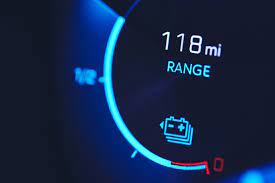
While early Electric Vehicles (EVs) had limited ranges, advancements in battery technology have significantly extended the range of modern EVs. Many Electric cars now offer ranges that are competitive with or even surpass those of traditional fuel vehicles. Some high-end EVs can exceed 300 miles (480 kilometres) on a single charge.
However, it’s important to note that the specific range can vary between different EV models, and factors such as driving conditions, temperature, and use of accessories can affect the actual range experienced by the driver. Overall, the perception of limited range for EVs is becoming less accurate as technology continues to improve.
What are the costs for the battery replacement in EV’s?
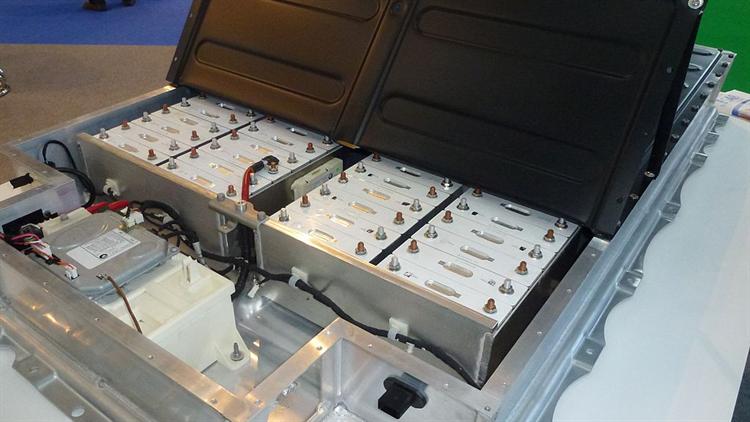
Battery replacement costs for electric vehicles (EVs) have been a concern, but they are gradually decreasing due to advancements in battery technology and economies of scale. The cost varies widely depending on the make and model of the EV, as well as the size and technology of the battery.
The estimated cost for EV battery replacement is approximately £7000. However, ongoing developments in battery manufacturing are expected to further reduce these costs over time.
It’s worth noting that many EV manufacturers offer warranties for their batteries, typically ranging from 8 to 10 years or more, which can provide a level of assurance for EV owners. Additionally, some manufacturers are exploring options for recycling and repurposing used batteries, which could contribute to sustainability and cost efficiency in the future. For the most accurate and up-to-date information, it’s advisable to check with specific EV manufacturers and their warranty policies.
Do you think they will Discontinue Hybrids in the future?
The future of Hybrid Vehicles depends on various factors, including technological advancements, market demand, and regulatory developments. As automotive industries globally shift toward sustainable and cleaner technologies, there’s a growing emphasis on electric vehicles (EVs). Some experts predict that as battery technology improves and the charging infrastructure becomes more widespread, EVs could become the dominant choice for eco-friendly transportation.
However, Hybrids may continue to have a role, especially during the transitional phase toward a Fully Electric Vehicle landscape. Hybrid technology can offer a bridge for consumers who may be hesitant to fully adopt EVs, providing a compromise with improved fuel efficiency and reduced emissions.
Ultimately, whether Hybrids continue to be produced in the future will depend on consumer preferences, regulatory policies, and the pace of advancements in Electric Vehicle technology. It’s possible that, over time, the market may see a decline in new Hybrid models as Electric Vehicles become more prevalent and cost-effective.
What is the difference between charging a Plug-In Hybrid & Fully Electric Vehicles?
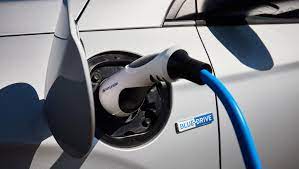
Changing a plug-in hybrid to a fully electric vehicle involves significant modifications to the vehicle’s powertrain and energy storage system. In a Plug-In Hybrid, the vehicle is designed to operate using both an internal combustion engine and an electric motor, with a smaller battery compared to a Fully Electric Vehicle (EV).To convert a Plug-In Hybrid to a Fully Electric Vehicle, the key modifications typically include:
Removing the Internal Combustion Engine (ICE): Since Fully Electric Vehicles rely solely on electric power, the internal combustion engine in the Plug-In Hybrid would need to be removed or disabled.
Upgrading the Battery: Plug-In Hybrids have smaller batteries compared to Fully Electric Vehicles. To increase the electric range and make the vehicle fully electric, a larger battery pack with higher capacity would need to be installed.
Modifying Control Systems: The vehicle’s control systems, including the electronic control unit (ECU), would need adjustments to accommodate the changes in powertrain and energy storage. This ensures seamless integration and optimal performance.
Charging System Upgrade: The charging system in the Plug-In Hybrid may need upgrading to handle the higher charging capacities required for a larger electric battery.
Range Extender Removal (if applicable): Some Plug-In Hybrids have a range extender (a small gasoline engine used to generate electricity). If present, it may need to be removed or modified.
It’s important to note that converting a Plug-In Hybrid to a Fully Electric vehicle is a complex process and often involves specialised knowledge and expertise. It may also void warranties and affect safety certifications. In most cases, it is more practical and cost-effective to purchase a new Electric Vehicle designed from the ground up for full electrification rather than attempting to retrofit an existing Plug-In Hybrid.
Want to know more about EV’s?

Here at MTC, we offer a variety of courses that can give you the information you need about Electric and Hybrid Vehicles.
Hybrid Training Course, Level 1 – Raise Awareness
Hybrid/ EV Training Course, Level 2 – Light Vehicles
Level 2, Buses, Hybrid Training Course
Hybrid Training Course, Level 2 – HGV’s
Hybrid Training Course Level 3 – Cars
The Level 1 Hybrid and Electric Training Course, is to raise awareness of Hybrid and Electric Vehicles. This course is aimed at anyone that may come into contact with Hybrid and Electric Vehicles.
Level 2 Hybrid and Electric Light Vehicle Training Course, Level 2 HGV Training Course and Level 2 Buses Training Course. The Level 2 course is aimed at mechanics and car valeters.
The Level 3 Hybrid and Electric Training Course, is aimed at technicians and mechanics.
Information about our Hybrid Courses and what we will cover:
- Safe system shut down and recommissioning.
- Methods of safe component and system test and measurement.
- Using and interpreting vehicle wiring diagrams & tech data for speedy and efficient repairs.
- Hybrid propulsion and energy generation systems.
- Brush less 3 Phase Motor form and function.
- DC and AC (3 phase) Control Systems.
- Using OEM, Pass-thru and Aftermarket Scan Tools for in vehicle system and component diagnosis.
- How to work safely on hybrid and related vehicle systems.
- How to carry out maintenance and repair activities when working on Hybrid vehicles.
- Construction and function of battery modules and related components
It is anticipated that Level 3 will be the minimum requirement in the future.
Best practice dictates that each technical staff member should be qualified to at least level 2 (service technician).
Diagnostic technicians should be qualified to level 3 (for fault diagnosis and removal, test and refit of high voltage systems).
Our trainers are experienced in the field and can provide you with all the knowledge you need.


