
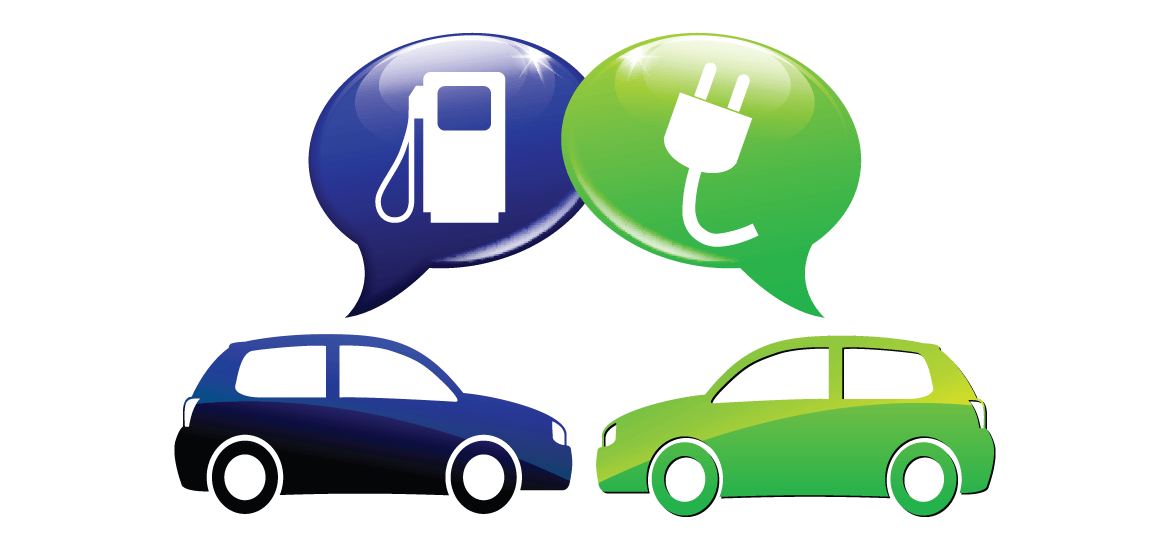
Last year in November 2020, the government announced that from 2030 new petrol and diesel cars will be prohibited to be sold in the UK. Also from 2035, all new vehicles must be fully zero emissions.

The Transition Plan for Zero Emissions
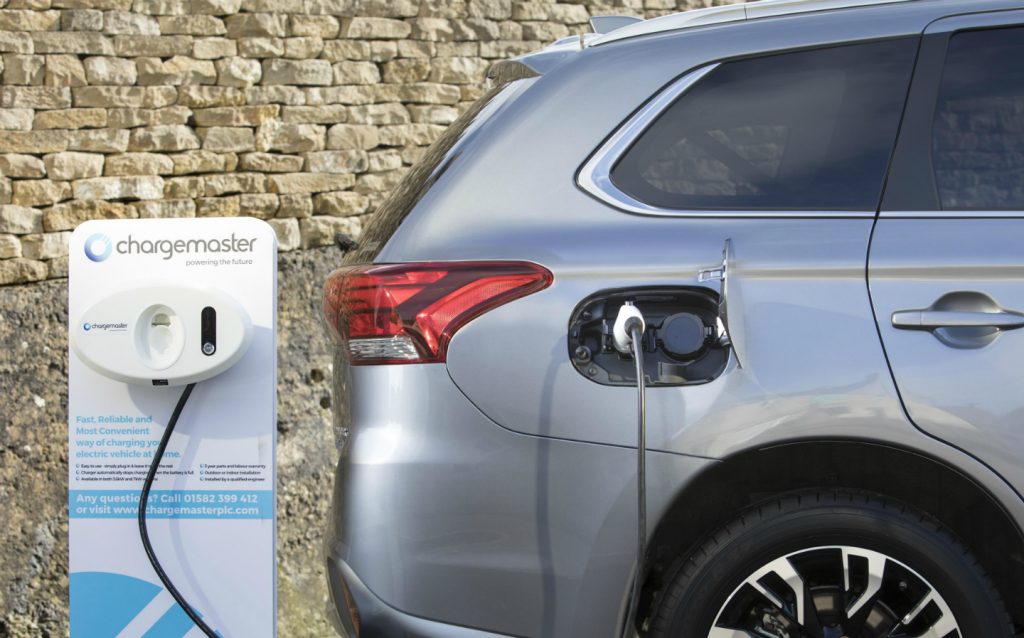
The government put a home charge scheme that focused on leaseholders, renters and those who live in flats. This was to help with the transition plan for zero emissions.
The government, is currently installing rapid charge points at every motorway service area.
Moreover, the government will do a full re-view by 2025, and also all the governments vehicles will be 100% zero emissions by 2027.
The governments transition plan is to phase out the sales of new petrol and diesel cars and vans by 2030.
They also plan to install at least 2,500 high powered charge points across the UK road network.
To sum up, all the new cars and vans are to be 100% zero emissions by 2035.
Plug-In Car and Van Grant

The governments plug-in car grant has been put in place to help people purchase a zero emissions vehicle. The government give up to £2,500 towards purchasing a zero emissions car, as long as the car value is under £35,000. There is a plug-in van grant. For a 2.5 tonnes van, the government give up to £3,000 and £6,000 for 2.5-3.5 tonnes van. Although the grant is to expiry this year, unless the government decides to extend.
Circulation of Petrol, Diesel & Hybrid Vehicles after 2030?
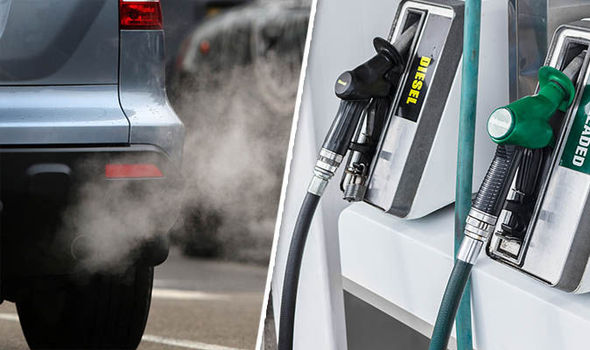
At the moment the governments plan, is to only ban selling new petrol, diesel and hybrid vehicles. These vehicles will still be allowed to circulate on the UK roads. However, there could be certain changes and charges in place for doing so.
Moreover, only plug-in and full hybrid vehicles will be allowed to be sold, from 2030 until 2035.
The government has said that by 2040, the only vehicles that will be sold, will be electric vehicles. Also, the government believes that over half of the vehicles on the road will be electric and the rest will still be petrol, diesel and hybrid.
To sum up
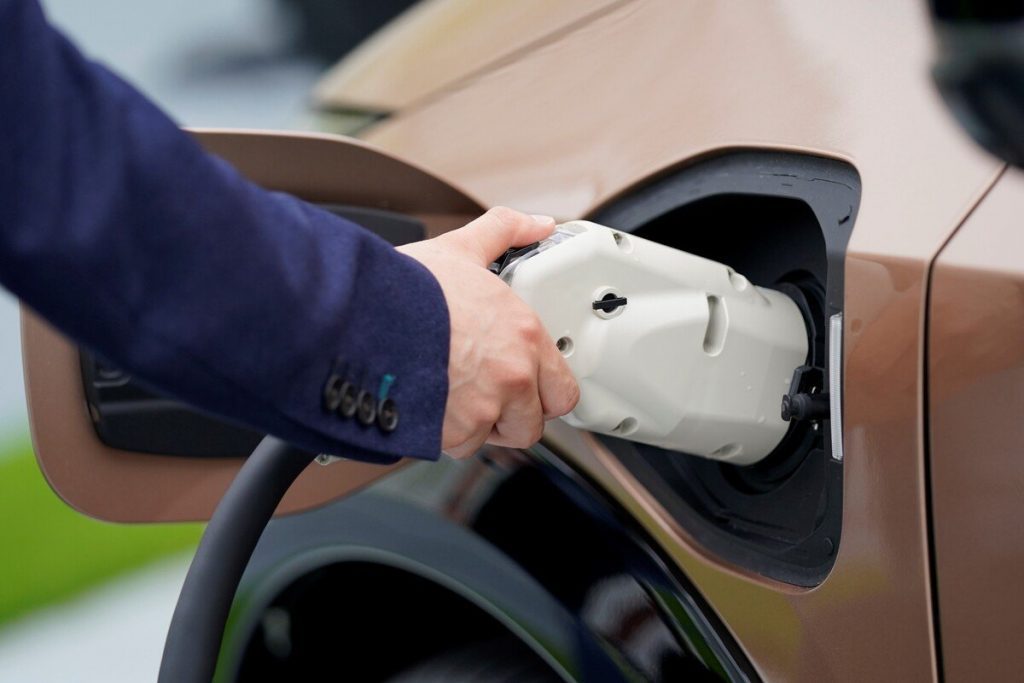
On the UK road ,there are currently over 500,000 zero and ultra-low emission vehicles on the UK road.
The new hybrid cars and vans, that drive a significant distance with no carbon coming out of the tailpipe, will be allowed to remain on sale until 2035.
Although, Renault officials have said, that they will be making a request to delay the ban on sales of new Hybrid Vehicles to 2040, instead of 2035.
This is due to Renault needing more time to adjust their factories and adapt their workforce. Furthermore, they said that by only selling full electric vehicles in 2035, will have a big impact for people affording these vehicles.
On the other hand, Vauxhall announced that they will ditch the petrol and diesel engine vehicles by 2028, and will only sell full-electric cars and vans in the UK. This means that Vauxhall will be 2 years ahead of the governments schedule, if they succeed with the plan.
The target for the UK government is to have 100% zero emissions by 2050, and banning diesel and petrol-powered and hybrids from the UK is a step towards this greater plan. Although, not everyone is happy with this plan.
Having good knowledge of how hybrid vehicles work and the pros and cons can help a lot, in better management of electric vehicles. Here at MTC, we will help you develop your knowledge and further your career prospects with a Hybrid and Electric Vehicle Training course.
The Hybrid/EV Courses available are:

Hybrid Training Course, Level 1 – Raise Awareness
Hybrid/ EV Training Course, Level 2 – Light Vehicles
Buses Hybrid Training Course, Level 2
Hybrid Training Course, Level 2 – HGV’s
Hybrid Training Course Level 3 – Cars
The Level 1 Hybrid and Electric Training Course, is to raise awareness of Hybrid and Electric Vehicles. This course is aimed at anyone that may come into contact with Hybrid and Electric Vehicles.
Level 2 Hybrid and Electric Light Vehicle Training Course, Level 2 HGV Training Course and Level 2 Buses Training Course. The Level 2 course is aimed at mechanics and car valeters.
The Level 3 Hybrid and Electric Training Course, is aimed at technicians and mechanics.
Information about our Hybrid Courses and what we will cover:
- Safe system shut down and recommissioning.
- Methods of safe component and system test and measurement.
- Using and interpreting vehicle wiring diagrams & tech data for speedy and efficient repairs.
- Hybrid propulsion and energy generation systems.
- Brush less 3 Phase Motor form and function.
- DC and AC (3 phase) Control Systems.
- Using OEM, Pass-thru and Aftermarket Scan Tools for in vehicle system and component diagnosis.
- How to work safely on hybrid and related vehicle systems.
- How to carry out maintenance and repair activities when working on Hybrid vehicles.
- Construction and function of battery modules and related components
It is anticipated that Level 3 will be the minimum requirement in the future.
Best practice dictates that each technical staff member should be qualified to at least level 2 (service technician).
Diagnostic technicians should be qualified to level 3 (for fault diagnosis and removal, test and refit of high voltage systems).
Our trainers are experienced in the field and can provide you with all the knowledge you need.


