
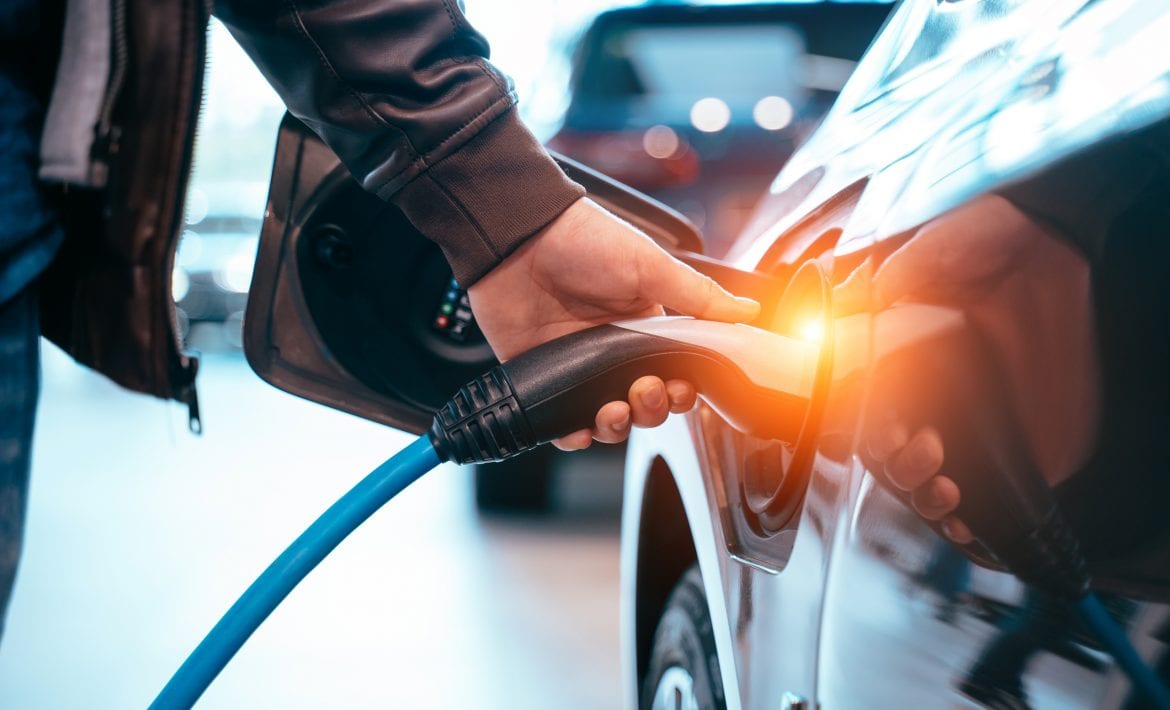
The UK prime minister announced that all diesel and gasoline-powered passenger cars would be banned in the UK by 2035. This is five years earlier as compared to the previous commitment.
Like the rest of the European countries, the UK has previously planned to phase the gasoline and diesel-powered passenger cars by 2040. However, the latest plan is to bring this date forward by five years and has even added hybrids to this list. Prime Minister Boris Johnson announced this at the launch of the COP 26 conference held on climate change in Glasgow. If the plan is followed religiously, the UK will be the first nation to end the cars that run on internal combustion. The previous target of 2040 allowed the sales of plug-in hybrids; however, the latest plan has also excluded the hybrids, which would take the UK far ahead of other countries when it comes to planned restriction.
The Targets of the Government
UK government has a target of becoming a net-zero carbon emitter by the year 2050, and banning diesel and gasoline-powered and hybrids from the country is a step towards this greater plan. Naturally, everyone isn’t happy with this decision. The Society of Motor Manufacturers and Traders came forward to ask whether it is possible to install enough charging infrastructure in the country by this time to make this transition to electric cars possible.
Infrastructure – The Biggest Challenge in the Transition
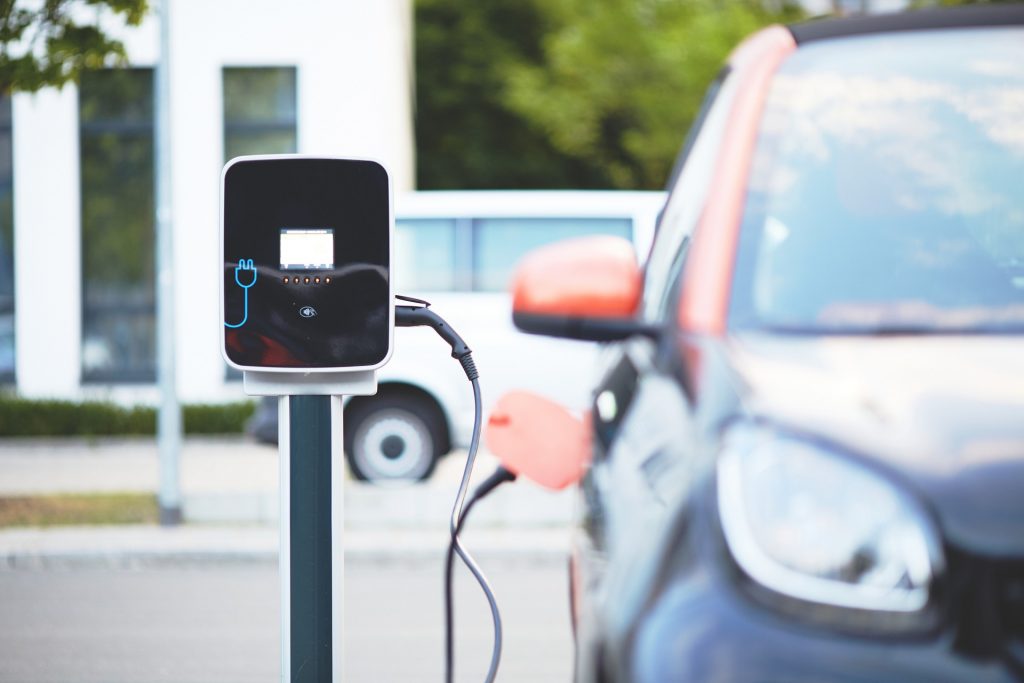
The biggest challenge in this transition is the infrastructure, as all the electric vehicles will need to recharge somewhere. Currently, the UK has around 10,800 EV charging stations and around 30,400 individual chargers. However, the coverage is very poor in many areas. The UK has around 36 million cars and light commercial vehicles that include vans and trucks, which has an average life of 7.7 years. Therefore, without any further restrictions on using the already existing internal combustion engines, the UK is required to build enough infrastructure by 2040 for supporting that huge number of EVs.
Critics of banning internal combustion and hybrids have come forward to contrast PM’s eagerness in banning these cars with the lacking leadership in other areas that involve CO2 emissions. Britain has the world’s highest number of passenger flights from its capital’s airports. Plus, it lags behind other European countries when it comes to electric trains as well, with only 40 per cent of its rail network electrified.

Brexit – Another Complicating Factor
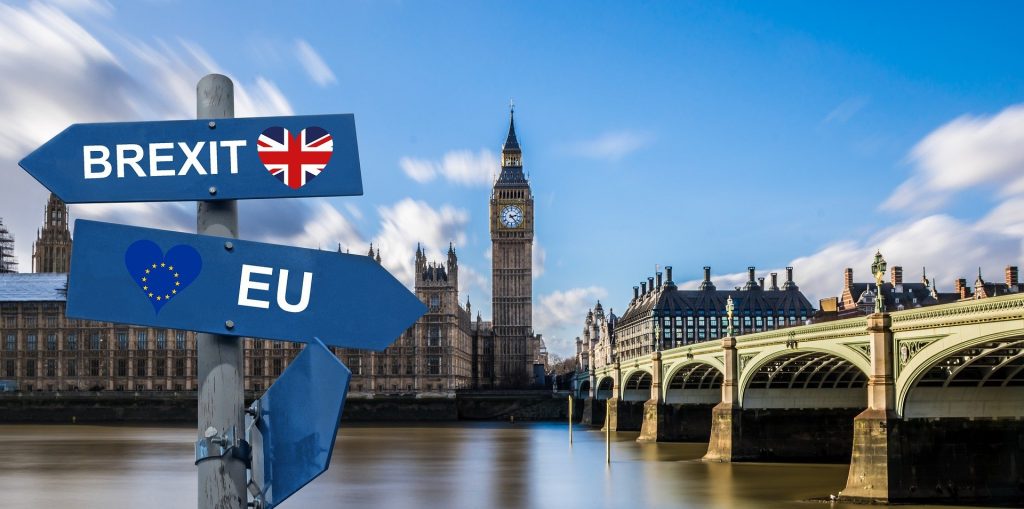
Another factor that complicates the transition is the departure of the UK from the European Union. The UK itself only produces the Mini Electric and Nissan Leaf, and the possibility of tariffs on the import of cars is much higher. Plus, the UK is also the home to the manufacturer of many luxury car models like McLaren, Rolls Royce, etc. However, if the current plans come into action, it will be bad news for all of these manufacturers. Also, the taxes and tariffs on the import of electric cars will be a significant blow.
Many other European countries like Norway, Iceland, Sweden, and Denmark have even more aggressive plans to ban conventional cars.
Bottom Line
The UK government will have to face many challenges on its way to transitioning to EVs for meetings its climate change goals. If you want to become a part of this initiative as early as possible and are looking for information and courses on the UK electrical vehicle training, then log on to https://www.mottraningcourses.com and start your green journey!


