

Multi-Storey Car Parks could collapse, due to the weight of Hybrid and Electric Vehicles.
Who would of thought, that the weight of a vehicle could cause so much worry?
Electric and Hybrid Vehicles are a lot heavier, than the typical petrol and diesel vehicles. This is mainly, because of the weight of the batteries in these types of vehicles. The infrastructure of many Multi-Storey car parks are in danger. This is due to, the ageing of the infrastructure of the car parks. When they built the car parks, they didn’t anticipate the weight of the new EV’s as these vehicles didn’t exist.
The weight of the Electric Vehicles are twice the weight of a standard petrol or diesel vehicle. Meaning that the car park structures are not built for this type of weight.
How can this situation be resolved?
As you can imagine this is not a situation to be looked at lightly. Especially, with the high risk of many Multi-Storey car parks collapsing. Plans need to be put in place and actions should taken as soon as possible.
Most of the underground and Multi-Storey car parks, were built in accordance to the weight of vehicles from the 1970’s. However, the weight of some of the new EV’s are 50% more heavier in weight. For example; the Tesla Model 3 weighs around 2.2 tons fully loaded, whereas, a Ford Cortina from the 1970’s, weighed less than 1,000kg. As you can see from the two examples, the weight of the new EV’s is a considerably heavier weight.
It has been said that, over the upcoming weeks, announcements will be made of how this situation can be resolved.
It seems, that they will more than likely put new guidelines when constructing new car parks, ensuring that it can take the weight of the new EV’s.
Why do the new EV’s weigh so much?
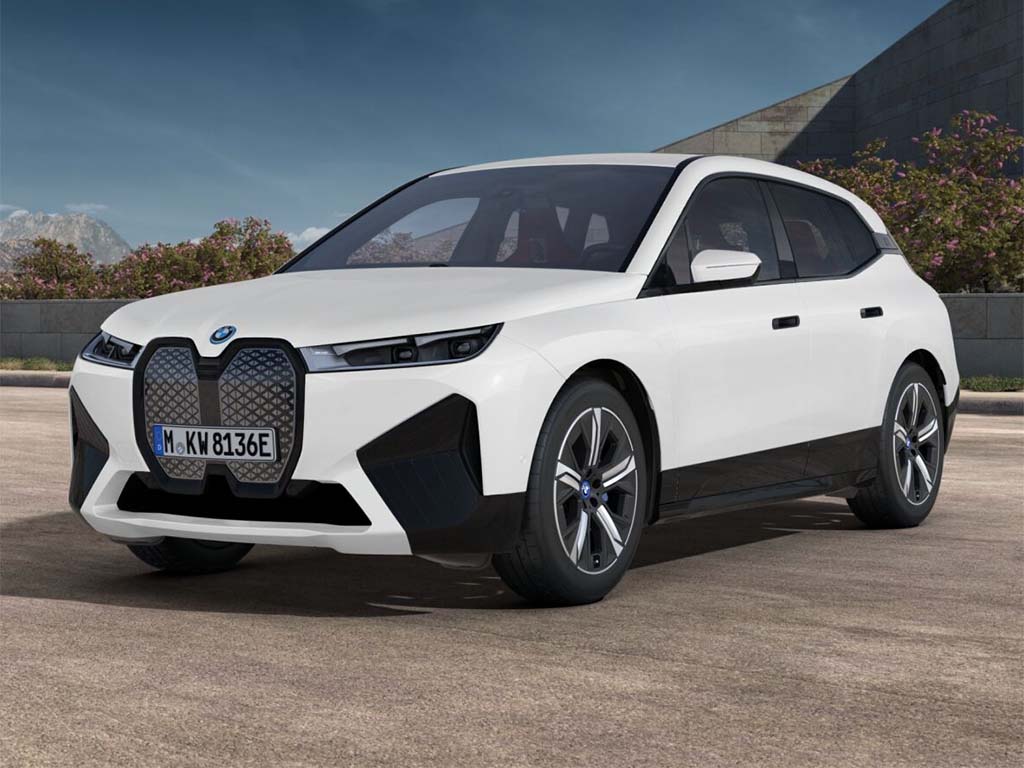
The new Electric Vehicles are being manufactured with re-enforced framework and suspension, to ensure there is enough support for the weight of the batteries.
Over the years, it is true that vehicles have got heavier in weight, due to them having climate control and electric windows, etc. Also, safety improvements have contributed to the vehicles being heavier. Like; the airbags, laminated glass and side-impact bars. This was to help prevent collisions and to help reduce the severity.
To sum up, it all boils down to the technology, materials and safety measures that they use in the new EV’s. These are the reasons why they have excessive weight.
Precautionary Measures
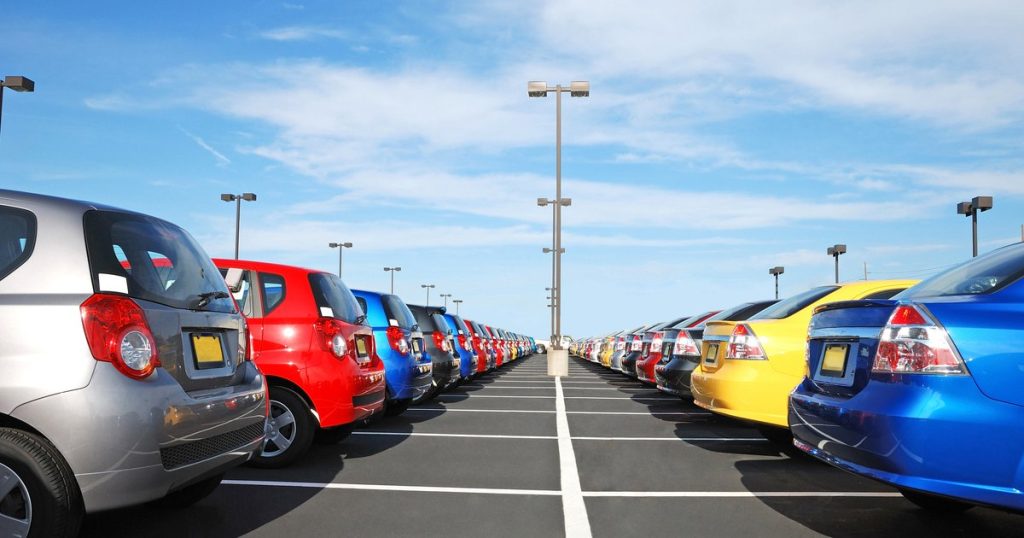
If you are a Hybrid or an Electric Vehicle owner, it is advisable that if you park in a Multi-Storey car park, park on the first floor. The reason for this, is to reduce the risk of the inevitable happening. For example; if you park on the second floor and other EV’s park on the same floor, the weight of all these vehicles could be too much for the infrastructure of the car park and could cause the car park to buckle.
Another precautionary measure that you can do, is park in an open air car park or even on the streets. This will minimise the risk and you won’t have to worry about what could happen.
Finally, it’s always a good idea to keep up to date with the news over the upcoming weeks, to find out what measures are going to be put in place with reference to these concerns.
More news; 2023 New Electric Vehicles
Do you want to know more about Hybrid and EV’s?

Here at MTC, we offer a variety of courses that can give you the information you need about Electric and Hybrid Vehicles.
Hybrid Training Course, Level 1 – Raise Awareness
Hybrid/ EV Training Course, Level 2 – Light Vehicles
Buses -Hybrid Training Course, Level 2
Hybrid Training Course, Level 2 – HGV’s
Hybrid Training Course Level 3 – Cars
The Level 1 Hybrid and Electric Training Course, is to raise awareness of Hybrid and Electric Vehicles. This course is aimed at anyone that may come into contact with Hybrid and Electric Vehicles.
Level 2 Hybrid and Electric Light Vehicle Training Course, Level 2 HGV Training Course and Level 2 Buses Training Course. The Level 2 course is aimed at mechanics and car valeters.
The Level 3 Hybrid and Electric Training Course, is aimed at technicians and mechanics.
Information about our Hybrid Courses and what we will cover:
- Safe system shut down and recommissioning.
- Methods of safe component and system test and measurement.
- Using and interpreting vehicle wiring diagrams & tech data for speedy and efficient repairs.
- Hybrid propulsion and energy generation systems.
- Brush less 3 Phase Motor form and function.
- DC and AC (3 phase) Control Systems.
- Using OEM, Pass-thru and Aftermarket Scan Tools for in vehicle system and component diagnosis.
- How to work safely on hybrid and related vehicle systems.
- How to carry out maintenance and repair activities when working on Hybrid vehicles.
- Construction and function of battery modules and related components
It is anticipated that Level 3 will be the minimum requirement in the future.
Best practice dictates that each technical staff member should be qualified to at least level 2 (service technician).
Diagnostic technicians should be qualified to level 3 (for fault diagnosis and removal, test and refit of high voltage systems).
Our trainers are experienced in the field and can provide you with all the knowledge you need.


