

Health and Safety is important in any industry. However, MOT Testing can have some particular dangers when testing and repairing vehicles.
It doesn’t matter, if you are an employer or a self-employed person, you must identify and minimise the risks, to both Health and Safety.
In this blog, it will explain the precautions you should take to help you achieve, both Health and Safety.
How to work safe with vehicles
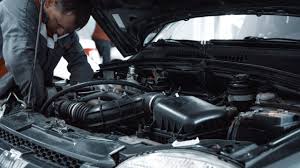
The way to ensure you work safe on vehicles, you should do the following;
- Make sure vehicle brakes are applied and wheels are chocked
- Start and run engines with the brakes on and in neutral gear
- Support vehicles on both jacks and axle stands, never rely on jacks alone
- Support raised vehicle bodies, with equipment or tools designed for the task
- Always ensure that vehicles elevated on lifting equipment and are properly positioned, stable and that all arm locks (where provided) are fully engaged
There are many other risks that can occur in the Motor Vehicle Trade. To help minimise the risks of both Health and Safety, are by:
- Ensuring that the paint sprayers who use ‘two-pack’ paints, use air-fed respiratory equipment to protect them against isocyanate exposure, which can cause occupational asthma
- Being aware of fire and explosion risks when draining and repairing fuel tanks, and from battery gases. You should never drain petrol tanks near, or over a pit
- Ensuring that you don’t short-circuit batteries
- Using a tyre cage when inflating commercial tyres and stand away from the trajectory zone. Particularly those with multi-piece or divided wheels, as explosions do happen
- Using appropriate precautions on brake and clutch pads, because older cars may contain asbestos
- Wearing protective clothing when handling battery acid
- Being aware of the risk from mineral oil contamination (especially used engine oils) on hands and other parts of the body. By frequently and prolonged contact with used engine oil, can cause dermatitis and other skin disorders, including skin cancer. So, good personal hygiene is essential and that overalls are cleaned regularly
Air-Conditioning System – Health and Safety
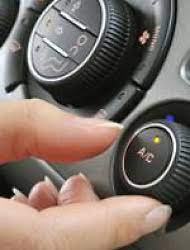
Here is a list of what you should and shouldn’t do when doing work on an air-conditioning systems;
| DO | DON’T |
| Follow the instructions of the systems manufacturer and refrigerant supplier of the air-conditioning | Work on the air-conditioning, unless you have identified the risks and precautions |
| Identify where the refrigerant system is prior to carrying out any work | Assume that the air-conditioning is free from gasses, until you have checked with a pressure gauge (especially if the vehicle has been in an accident) |
| Only use approved equipment when servicing or maintaining the system | Overfill the refrigerant containers |
| Ensure that anyone using the equipment or working on the system has had adequate training and is supervised. | Mix refrigerants R12 and R13a when recharging the system and check with the manufacturers prior to blending other chemicals |
| All refrigerants are to be stored in a safe place and away from direct heat | Discharge F-gasses into the atmosphere |
| Always wear protective clothing including, eye protection when using refrigerant liquid or gasses | Carry out work in confined spaces, or near to an inspection pit when working on systems that contain F-gasses |
| Make sure that all staff are adequately trained in case of an emergency and the measures to take in case of any spillages or liquid releases of gas | Smoke, weld or start fires in areas where there are F-gasses |
| Organise for the old or waste refrigerants to be safely collected | Do any roadside work that have been involved in an accident, until the air-conditioning has been checked for any leaks or damages. |
Replacing and Repairing Tyres
Replacing and repairing tyres may seem an easy job. However, there are many things that you shouldn’t do, due to Health and Safety.
What you shouldn’t do, whilst changing or repairing a tyre is:
- remove wheel nuts completely until the wheel is raised
- store tyres horizontally – this can cause deformation that makes seating more difficult
- use excessive force to remove a tyre or pressurise above its operating limit to force a fit
- refit tyres with visible damage or with non-specified parts
- use ‘unrestricted’ airlines (i.e. without a gauge or pressure control device) or valve connectors that need the operator to hold them in place
- exceed the manufacturer’s recommended tyre pressure for the size and rating of the tyre
Hazardous areas
The main areas that are classed as hazardous areas are;
- body preparation areas
- battery charging areas
- vehicle inspection pits
- areas for storing, mixing or spraying flammable liquids
The measures you should put in place, to minimise the risks;
- Reduce the quantity of dangerous substance to a minimum
- Avoid or minimise releases of fuel and gasses
- Use tools with built-in extractions
- Prevent the formation of an explosive atmosphere
- Collect, contain and remove any releases to a safe place
- Avoid ignition sources
- Avoid adverse conditions which could lead to danger
- Keep incompatible substances apart
How to do risk assessments
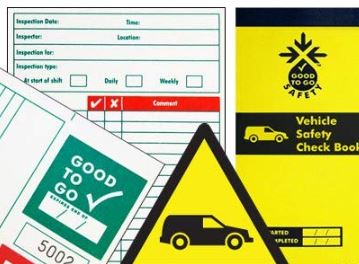
By following these 5 steps, you will have completed a risk assessment.
STEP 1
What are the hazards?
This link should help you to identify the hazards MVR.
All manufacturers’ instructions or data sheets for chemicals and equipment, needs to be collected and analysed. COSHH essentials
sheets can be easily downloaded from the MVR web pages.
A thorough assessment cannot be done by just sitting in an office or copying someone else’s. You need to walk around the premises jotting notes of things that might pose a risk.
Speak to employees and listen to their concerns about any Health and Safety and how they think risks can best be controlled.
Confirm with your staff what training they have been given, and consider any requirements particular individuals may have.
Check the accident book to identify what problems have occurred in the past.
STEP 2
Who might be harmed and how?
Write down who could be harmed by the hazards and how this includes visitors and members of the public.
STEP 3
What are you doing already and what further action is necessary?
For each hazard identified, record what controls, if any, were in place to manage them, and then compare these controls to HSE and industry guidance.
Where existing controls don’t not good practice, you need to write down what further actions are needed to manage the risk.
STEP 4
How will you put the assessment into action?
You need to discuss the findings of the risk assessment with your employees.
You also need to prioritise and deal with hazards that are high-risk and have serious consequences first.
Decide and record who is responsible for implementing the further actions and when they should be done. When each action is complete, tick it off and record the date.
STEP 5
Review date
Decide when to review and update the risk assessment (eg annually and after any major change to work practice).
You may find it useful to use, the risk assessment as part of the induction process for all new staff members.


