
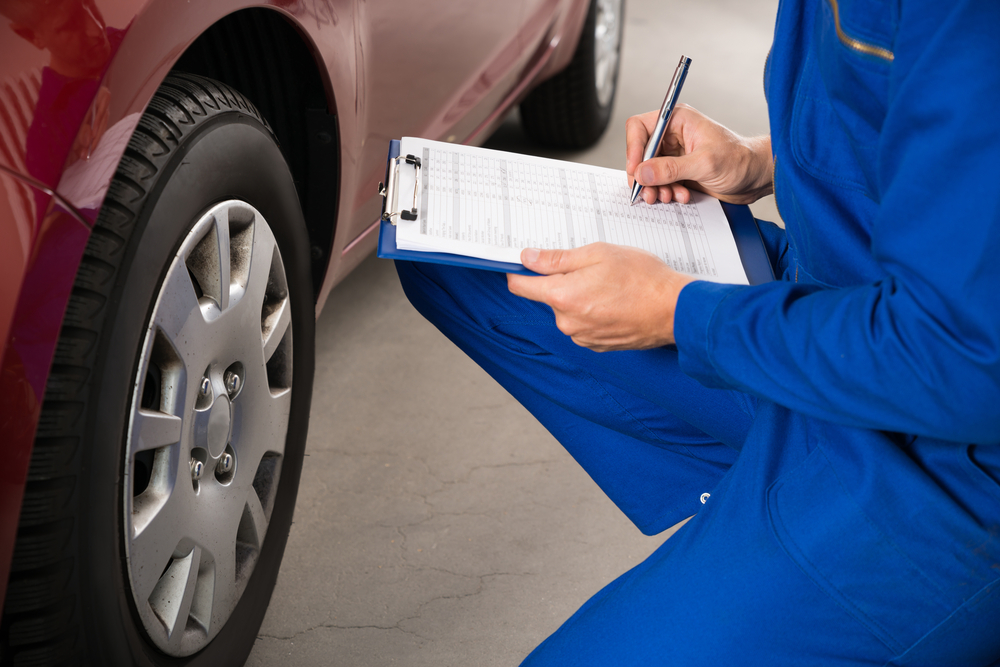
In this blog post, we will be discussing some of the best practices for; vehicle inspections and maintenance.
This can help to ensure the safety of your fleet, as well as minimising accidents.
The best practices for Vehicle Inspections and Maintenance
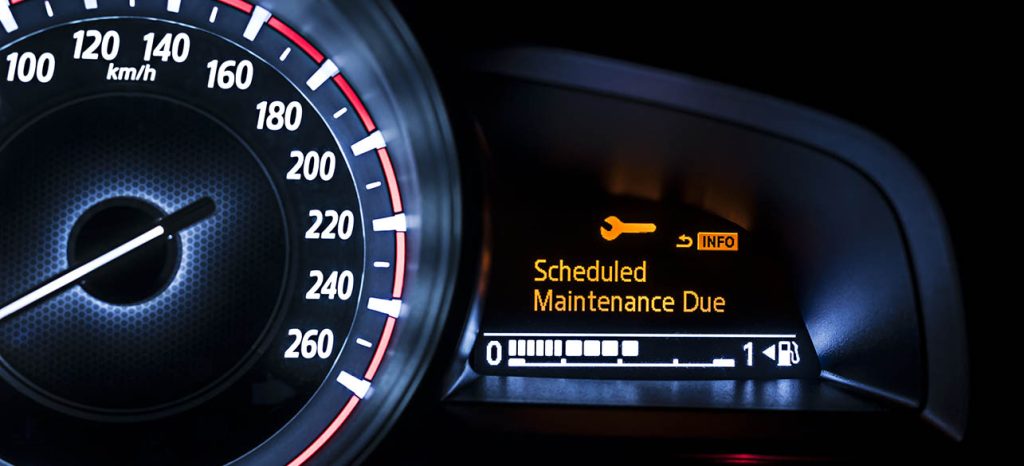
One of the main ways in ensuring fleet safety, is by implementing a regular vehicle maintenance and inspection programme. You can do this by following the manufacturer’s recommended schedule.
What does this mean?
Well it is simple. All you need to do is ensure you do the following;
- Oil changes
- Tire rotations
- Brake inspections
By following these simple manufacturers recommended schedule, you can ensure that your vehicles are properly maintained. Also, that they are in good working order, which helps prevent accidents and other safety issues.
Another way to ensure fleet safety, is by using the correct tools and equipment. Meaning, you should use high-quality tools and equipment that are designed for the specific make and model of your vehicles. This can also help prevent accidents and other safety issues, as you are ensuring that the tasks are being performed correctly and efficiently.
In addition, keeping a recorded system is also another best practice. This is so that you can track the maintenance of your fleet, as well as your fleet having a maintenance and inspection history. By doing this, it will also reduce the risk of accidents and other safety problems.
To conclude, by implementing a regular vehicle maintenance and inspection programme, this helps to prevent accidents and other safety problems which could occur. So, our recommendation to you is to follow the above and at least you can sleep well, knowing that your fleet has a lower risk of accidents and safety issue.
How can I keep a track of the maintenance of my fleet?

Maybe you are wondering how to keep a track of the maintenance of your fleet.
Well, it doesn’t matter how big or small your fleet is, keeping a record is easy.
The first step is knowing what your fleet is composed of. Like;
- What types of vehicles there are, the make and the models
- Whether they are owned or leased
- If they are leased, what are the leasing conditions
- Who uses the vehicles
There are plenty more questions you should think about, to help you keep a record.
If you have never really thought about the above, then your probably not managing your fleet very well.
There are still many companies that don’t keep records of their fleet, even though their fleet size only reach 10 or 20 vehicles.
What information do I need to gather ?
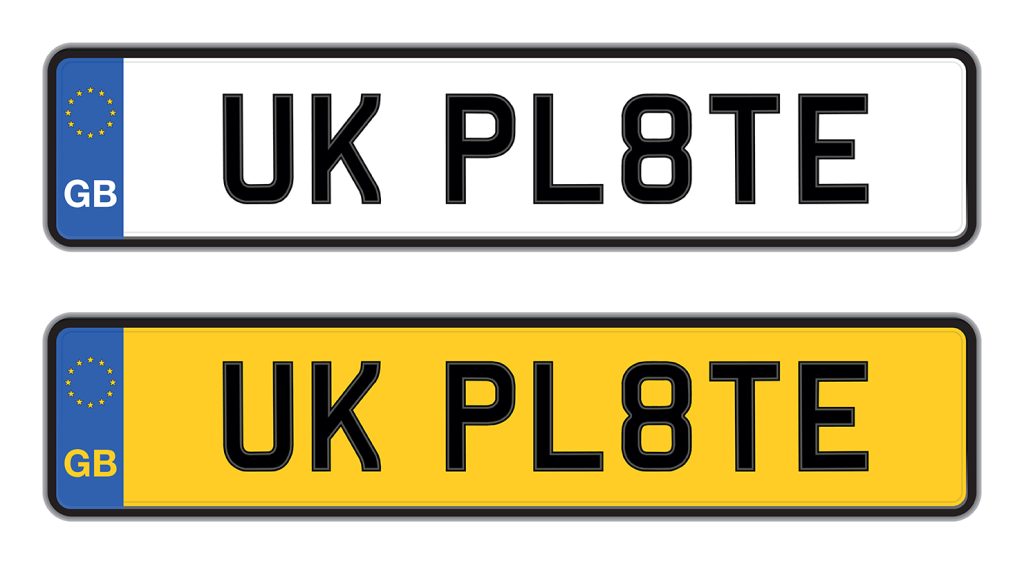
In order to understand your fleet. Here are some simple steps, so that you can gather the data;
- Number plate
- Manufacturer
- Model
- VIN number
- Type / Category
- Ownership. Are they; leased /rented /owned
- Who the owner is
- If leased/rented – when is the contract ending period
- If leased/rented – Are there any contractual limits or mileage limits
- Purchase date
- Purchase value
- Who is using the vehicle
- First registration date (when the vehicle was purchased as new)
- Engine volume
- Engine power
- Gross vehicle mass
- Tare weight
- Fuel
- Emission class
- CO2 (g/km)
- Fuel consumption highway / City / combined
- Next MOT
- Insurance period
- Seats
You are probably looking at the list above and thinking; wow, how can i gather all that information?
Gathering the information is not always so easy and straightforward. However, once you gather all the above data, it will help your fleet be more managed and controlled.
Another question you may be thinking is;
Why do I need to gather all this information?
All the above list has its importance, this is why;
The number plate, manufacturer, model, VIN number, type /category helps you identify your fleet.
The technical information, like the;
- Engine volume
- The engine power
- The gross vehicle mass,
- Tare weight
- Type of fuel
- Emission class & per km
This will also benefit you for when you do your taxes and toll road payments. Nowadays, there are a lot of countries that base the tax payments on the emission class, emissions, the volume of the engine. The toll road payments are mostly based on the vehicles weight and the emission class.
Going forward the best thing to do, is to create an Excel sheet, this will help you collate the data. Once you’re done, we can move forward. If for any reason you find difficulty in finding this data, it is a good idea to try to reach authorities.
We provide National Training Courses for;
- MOT Training Course, Class 4 & 7 – This course is to become a fully qualified MOT tester for cars and vans.
- Level 3 VTAA – The VTAA course is for those people that are skilled in the motor trade that have no formal qualifications.
- MOT Training Courses (Car, Motorbike, HGV)
- Level 1 MOT & Hybrid/EV Training Course
- MOT Managers Courses
- Hybrid Training Courses – Level 1, 2 and 3 (Raise Awareness, Light Vehicles, Buses, HGV, Cars)
MOT Training Course, Class 4 & 7

This MOT Training Course will allow you to become a fully qualified MOT tester for cars and vans.
This intensive course, will develop your skills around the MOT testing routine.
Furthermore, you will focus on working safely within the test centre, enhancing your professional developments and working relationships within your test centre, as well as pre-test checks & the MOT tests.
The MOT Training Course for class 4 & 7 qualifications consists of, a 4 day course with a multiple choice test and a 2 hour practical exam.
Level 3 VTAA Course Overview

This course is to help technicians without a Level 3 qualification to become qualified and to proceed onto the MOT Training Course. Furthermore, to show that the technician meets the Motor Vehicle Level 3 National Occupational Standards Motor Trade.
The VTAA accreditation enables motor vehicle technicians, who have worked in their roles for four or more years to prove their capabilities at Level 3. This course is a specifically designed accreditation and a lifetime achievement, meaning that once technicians have successfully completed the VTAA, they will be considered equivalent to those who have studied to Level 3 via a qualification route.
Hybrid/EV Level 3 Training Course

The Level 3 Hybrid and Electric Training Course is aimed at mechanics and technicians.
The Hybrid/EV level 3 training course, is designed for technicians to gain skills and knowledge on how to work safely and confidently on hybrid vehicles and understanding the construction and functions of the battery models and related components.
Technicians will be taught the hybrid drive layout and how to carry out the maintenance and repairs on these types of vehicles.
You are required to take an entrance exam before the course.
The level 3 course, is a 4 day course and is 90% practical and 10% theory based and at the end of the course you will be required to take a multiple choice exam.


